
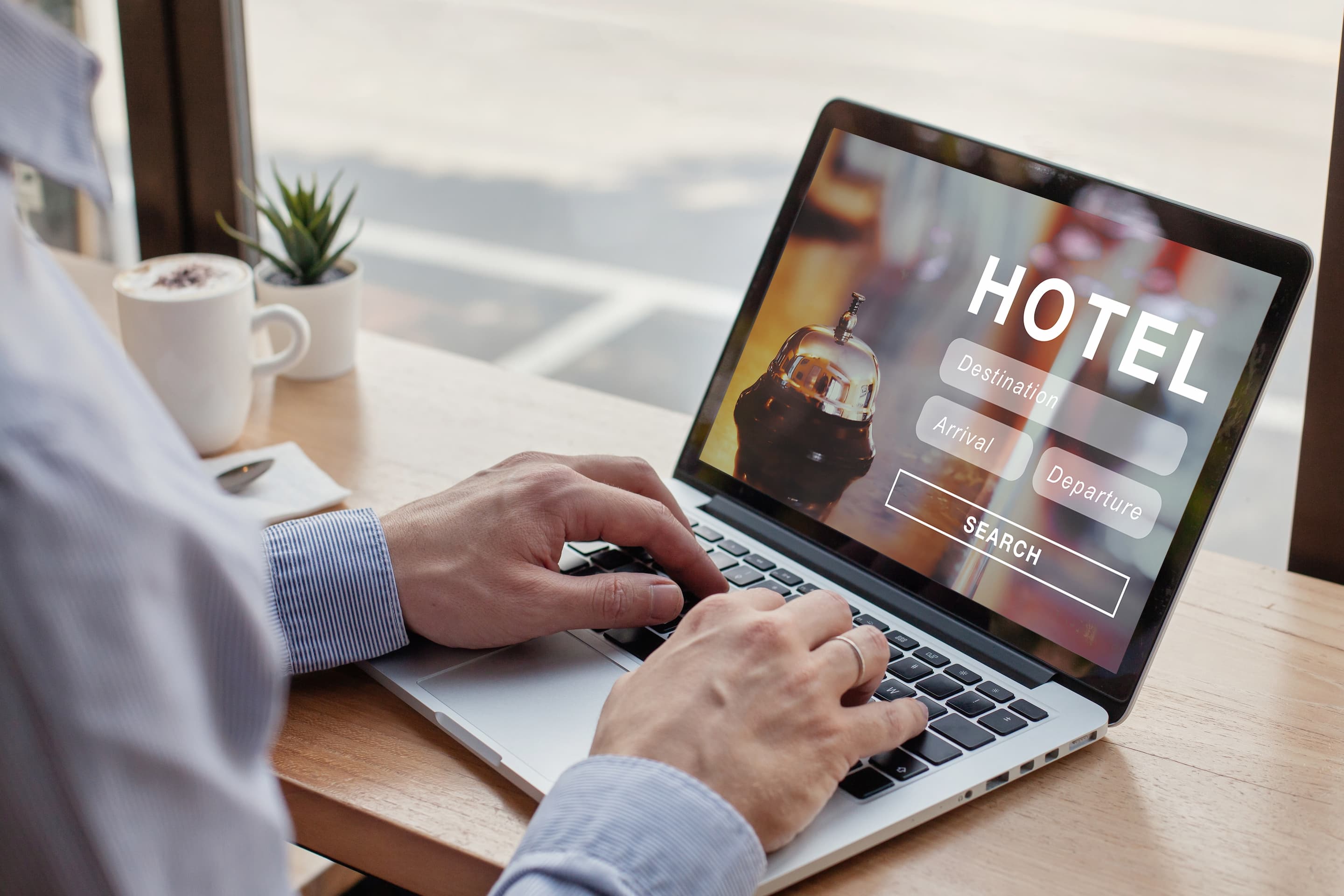
Your hotel website is your most valuable sales tool. It’s often the first impression potential guests have of your property, and it can determine whether they book directly with you or with a competitor. Yet many hospitality brands miss key elements that transform casual browsers into confirmed guests. Creating a website that converts requires a balance of design, functionality, and trust-building features.
Here are five must-have elements to ensure your hotel website drives more bookings and delivers a seamless guest experience.
1. Clear and Prominent Booking Engine
The booking engine is the heart of your website. If it isn’t easy to find or navigate, you risk losing potential guests. Place a booking widget above the fold on your homepage and make sure it appears consistently across key pages. Keep the process intuitive with as few steps as possible, and ensure the pricing and availability are updated in real-time. A streamlined booking flow removes friction and increases direct conversions.
2. High-Quality Visuals and Virtual Tours
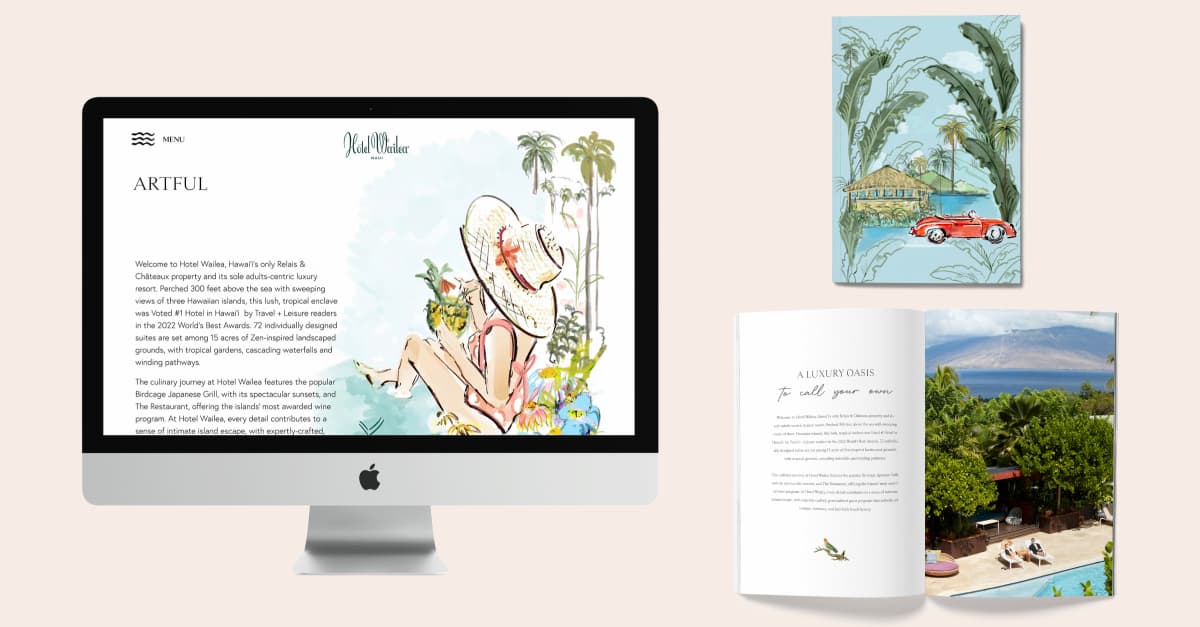
Guests want to imagine themselves at your property before they commit. Professional photography and video tours showcase your rooms, amenities, and surroundings in the best light. Include a mix of wide shots, detail shots, and lifestyle imagery that highlight the guest experience. If possible, offer virtual tours or 360-degree views, which have been shown to increase time on site and booking intent.
3. Mobile-Optimized Experience
More than half of travelers browse and book on mobile devices, making a responsive, mobile-first design essential. A high-converting hotel website loads quickly, displays content cleanly on all screen sizes, and keeps buttons large enough for easy tapping. Optimizing for mobile doesn’t just improve user experience; it also boosts SEO and ensures you capture guests browsing on the go.
4. Trust Signals and Social Proof
Travelers want reassurance before they book. Incorporating reviews, guest testimonials, industry awards, and third-party ratings helps build trust. Highlight positive press mentions or recognitions, and make sure your site has clear policies around cancellations, health and safety, or loyalty programs. These signals reduce hesitation and provide confidence that booking directly through your website is the right choice.
5. Engaging, Conversion-Focused Content
Your website should tell a story that resonates with your target audience. Use compelling copy that emphasizes your hotel’s unique value—whether that’s location, amenities, or experience. Create content hubs for local attractions, dining, or events to position your brand as a trusted travel resource. Pair strong calls-to-action with persuasive messaging that guides users toward booking. In short, every piece of content should serve the ultimate goal: turning lookers into bookers.
Final Thoughts
A hotel website is more than a digital brochure; it’s a 24/7 sales tool. By incorporating these five must-have elements, you’ll improve user experience, increase trust, and maximize conversion rates. Remember, creating a website that converts isn’t just about aesthetics. It’s about building a seamless digital journey that inspires travelers to choose your property and book directly.